10 Cheapest Cars to Insure in 2026
The Dodge Caravan tops Insurify’s list of the cheapest cars to insure in 2026, thanks to its modest repair costs, family-friendly design, and solid safety scores.
Secure. Free. Easy-to-use.
4.7 / 518K reviews




 120+ more
*Quotes generated for Insurify users within the last 10 days. Last updated on November 17, 2026. Actual quotes may vary based on the policy buyer’s unique driver profile.
*Quotes generated for Insurify users within the last 10 days. Last updated on November 17, 2026. Actual quotes may vary based on the policy buyer’s unique driver profile.

15 years at the Boston Globe
5+ years covering insurance industry
Doug joined Insurify as a senior content writer in 2025. He was previously a regular contributor to InsuranceNewsNet.

Licensed auto and home insurance agent
4+ years experience in insurance and personal finance editing
NPN: 20564519
Katie uses her knowledge and expertise as a licensed property and casualty agent in Massachusetts to help readers understand the complexities of insurance shopping.

Media relations director for Insurance Information Institute
20+ years in insurance and communications
Impartial, independent expert
As Senior Director, Media Relations, for Insurance Information Institute, Mark serves as the non-profit’s national spokesperson, sharing information and education on a wide array of insurance issues.
Updated
Auto insurance is a significant expense for vehicle owners — especially for young and first-time drivers who face higher car insurance rates. The car you drive can raise or lower your rates, as vehicle make, safety features, and repair costs all affect what you pay.
In the following sections, you’ll learn more about the 10 cheapest cars to insure in 2026 and see which models stand out by type and brand. You’ll also learn what factors make certain vehicles more or less expensive to insure and find actionable tips from Insurify’s data to help you compare car insurance quotes and find affordable insurance policies.
Several models on Insurify’s list of the cheapest cars to insure cost 10%–25% less than the national average full-coverage premium of $138 per month.
Subaru is the most affordable brand to insure overall, with average full-coverage rates significantly below the national average.
Choosing a lower-risk vehicle can trim your premium even if you’re a young or newly licensed driver paying higher age-based rates.
Insurify’s latest analysis finds that the Dodge Caravan is the cheapest car to insure in 2026, with an average full-coverage premium of $102 per month — about 26% below the national average rate of $138.
The Honda Fit and Subaru Outback also undercut the national average of car insurance premiums by double-digit percentages, making them strong affordability picks for budget-conscious drivers.
Here are the 10 cheapest cars to insure in 2026, based on Insurify quote data. Safety ratings come from the National Highway Traffic Safety Administration.[1]
Make and Model | Average Monthly Quote: Full Coverage | Starting MSRP | NHTSA Safety Rating (Out of 5 Stars) |
|---|---|---|---|
| Dodge Caravan | $130 | Discontinued | 4 stars |
| Scion xB | $156 | Discontinued | Not rated |
| Fiat 500 | $157 | $35,700 | Not rated |
| Ford Ranger | $169 | $33,550 | 4 stars |
| Subaru Outback | $148 | $32,995 | 5 stars |
| Subaru Forester | $149 | $29,995 | 5 stars |
| Ford Fiesta | $171 | Discontinued | 4 stars |
| Ford Focus | $177 | Discontinued | 5 stars |
| Cadillac SRX | $183 | Discontinued | Not rated |
| Acura RSX | $185 | Discontinued | Not rated |
Vehicles marked “discontinued” in the table are only available as used models. All 10 vehicles above cost less to insure than the national average.
These vehicles tend to be cheaper to insure because they:
Are designed for mainstream daily use (family hauling, commuting) rather than aggressive performance.
Often earn strong safety scores and include driver-assistance tech, which insurance companies say can reduce injury and collision claim costs
Have modest sticker prices and widely available parts, which lowers repair costs and replacement expenses after a claim
Vehicle class influences insurance costs. Typically, the best cars include compact cars, minivans, and mainstream SUVs, which are less expensive to insure than large pickups, luxury, or high-performance models.
For young and first-time drivers facing age-based surcharges, choosing a vehicle from this list can help offset higher premiums and make full coverage more affordable.
Liability policies average $99/mo. across all vehicle types

Cost-conscious shoppers looking for affordable insurance have different needs. Families may prefer SUVs or minivans, while young professionals may want hatchbacks or sedans. Insurify data highlights budget-friendly options in each category so you can find cheaper insurance quotes that fit your lifestyle.
Among new-car sedans and hatchbacks, the Honda Fit and Fiat 500 stand out as the least expensive to insure, with average full-coverage premiums well below the U.S. average. Their small size, modest power, and low repair costs help keep insurers’ claim payouts lower.
Make and Model | Average Monthly Quote: Full Coverage | MSRP | NHTSA Safety Rating |
|---|---|---|---|
| Honda Fit | $150 | Discontinued | 5 stars |
| Fiat 500 | $157 | Discontinued | Not rated |
| Subaru Impreza | $167 | $26,595 | 5 stars |
| Ford Fiesta | $171 | Discontinued | 4 stars |
| Ford Focus | $177 | Discontinued | 5 stars |
| Chevrolet Malibu | $214 | Discontinued | 4 stars |
| Toyota Corolla | $225 | $23,125 | 5 stars |
| Hyundai Elantra | $229 | $22,825 | 5 stars |
| Nissan Sentra | $232 | $22,990 | 5 stars |
| Nissan Altima | $239 | $27,790 | 5 stars |
Crossovers and SUVs don’t have to be expensive to insure. The Subaru Outback and Forester are two of the cheapest SUVs, according to Insurify data. Each combines all-wheel drive with excellent safety ratings and below-average premiums.
Here, you can see some of the other most affordable vehicles to insure.
Make and Model | Average Monthly Quote: Full Coverage | MSRP | NHTSA Safety Rating |
|---|---|---|---|
| Subaru Outback | $148 | $32,995 | 5 stars |
| Subaru Forester | $149 | $29,995 | 5 stars |
| Honda CR-V | $158 | $30,920 | 5 stars |
| Toyota 4Runner | $165 | $43,490 | 4 stars |
| Chevrolet Equinox | $178 | $29,300 | 5 stars |
| Toyota RAV4 | $177 | $31,900 | 5 stars |
| Mazda CX-5 | $172 | $29,900 | 5 stars |
| Honda Pilot | $175 | $42,395 | 5 stars |
| Nissan Rogue | $193 | $29,690 | N/A |
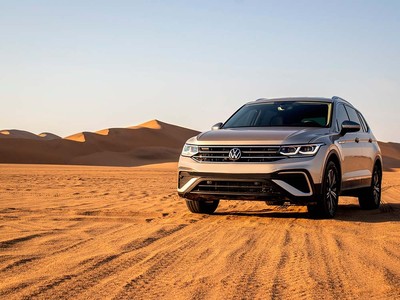
| Volkswagen Tiguan | $189 | $31,205 | 5 stars |
The Ford Ranger and Chevrolet Colorado are two of the cheapest pickups to insure, according to Insurify data. Both show car insurance premiums at or below the national average. Pickup trucks often cost more to insure than small cars, but some models buck the trend.
Here are some other pickups that are relatively inexpensive to insure. On the whole, smaller, lighter pickups are also more affordable when it comes to insurance.
Make and Model | Average Monthly Quote: Full Coverage | MSRP | NHTSA Safety Rating |
|---|---|---|---|
| Ford Ranger | $169 | $33,550 | 4 stars |
| Chevrolet Colorado | $178 | $33,500 | 4 stars |
| Toyota Tacoma | $190 | $32,545 | 4 stars |
| Ford F-Series pickup | $172 | $40,155 | Not rated |
| GMC Sierra | $192 | $39,300 | 5 stars |
| Toyota Tundra | $189 | $42,890 | 5 stars |
| Jeep Gladiator | $202 | $39,820 | Not rated |
| Ram 1500 | $212 | $42,025 | 5 stars |
| GMC Hummer | $246 | $97,200 | Not rated |
Luxury vehicles are usually expensive to insure, but the Acura RSX and BMW Z4 have below-average premiums among luxury brands, though both are older or niche models.
The following luxury models have low premiums for their segment, but repairs and parts still make them more expensive to insure than many other vehicle types.
Make and Model | Average Monthly Quote: Full Coverage | MSRP | NHTSA Safety Rating |
|---|---|---|---|
| Acura RSX | $185 | Discontinued | Not rated |
| BMW Z4 | $181 | $56,100 | Not rated |
| Porsche Boxster | $229 | $74,900 | Not rated |
| Audi TT | $204 | Discontinued | Not rated |
| Cadillac CTS | $206 | Discontinued | 4 stars |
| Lexus ES | $222 | $48,895 | 5 stars |
| Mercedes-Benz E-Class | $246 | $65,200 | 5 stars |
| Jaguar F-Type | $271 | Discontinued | Not rated |
| Infiniti G37 | $254 | Discontinued | Not rated |
| Tesla Model S | $336 | Discontinued | 5 stars |
Insurify averages show that Subaru is the cheapest brand to insure, averaging about $127 per month, followed by MINI and several mainstream U.S. brands near the national average.
Subaru’s all-wheel drive, advanced safety tech, and strong crash ratings help explain its low insurance costs. Here, you can see some other brands with low insurance costs.
Vehicle Make | Average Monthly Quote: Full Coverage |
|---|---|
| Subaru | $127 |
| MINI | $130 |
| GMC | $143 |
| Chevrolet | $145 |
| Ford | $145 |
| Jeep | $146 |
| Mazda | $148 |
| Dodge | $150 |
| Chrysler | $151 |
| Honda | $151 |
Cars are cheaper to insure when they have low repair costs, strong safety ratings, available replacement parts, and fewer or smaller claims. Insurers track performance and price policies accordingly.
Safety ratings and features: Vehicles with strong NHTSA and Insurance Institute for Highway Safety (IIHS) crash test scores, plus advanced driver-assistance systems, tend to result in fewer severe injuries and property damage claims.
Repair and replacement costs: Mainstream cars with modest MSRPs and widely available parts are cheaper to fix or replace, so insurers don’t need to charge as much to cover potential claims.
Theft rates: New vehicles and models that are frequently stolen or targeted for parts will likely have higher comprehensive premiums.
Vehicle age and value: Older cars and depreciated ones cost less to replace. That’s one reason discontinued models like the RSX or older Caravans can still be inexpensive to insure, as long as parts remain accessible.
Claim frequency and severity: If a model generates lots of at-fault collisions or high injury payouts, premiums rise. If claims are relatively rare and low cost, rates fall.
The type of vehicle, its class, size, and weight all shape insurance costs. Very small cars can increase the risk of injury to occupants in a crash, potentially raising their premiums. Heavy vehicles, such as pickup trucks, can cause greater damage in collisions, resulting in higher rates.
The cheapest cars to insure are typically found in the middle ground: compact crossovers, wagons, and minivans that balance moderate size with strong safety features.
Even if your premium is high for your age, location, or driving record, picking a low-insurance-cost vehicle can still save you money each month.
Agent Tip: Get an insurance cost estimate prior to purchasing a new vehicle
“Before you buy a new car, it’s a good idea to get an estimate of how much it’ll cost to insure. Safety features, make and model, and the type of vehicle all affect premiums. You can use an online estimator or talk to your insurance agent to preview how your new car might affect your premiums.”

Maintaining a clean driving record is the most effective way to reduce your car insurance costs. Choosing a cheap-to-insure car is also helpful.
Here are practical ways to cut your car insurance costs:

Rates vary widely by company. Using online comparison tools to check multiple insurers for the same coverage limits and deductibles before you buy or renew is a good way to lower insurance rates.

Avoiding speeding tickets, at-fault crashes, and driving under the influence (DUI) can save hundreds of dollars per year. Many insurers offer “good driver” or accident-free discounts to people with a good driving history.

Raising your comprehensive and collision deductibles can lower your car insurance premiums, as long as you can comfortably afford that amount out of pocket if you file a claim.[2]

Discount options may include safe driver, multi-car, bundling, good student, military, and low-mileage. Be sure to ask, as some car insurance companies won’t volunteer their discounts unless you ask.

Usage-based programs that track mileage and driving habits can reward safe, low-mileage drivers with lower rates. They may be especially attractive for remote workers or students.

In many states, insurers use credit-based insurance scores. A good credit rating can translate into lower premiums over time.

As your car ages and depreciates, it may make sense to raise deductibles or even drop comprehensive and collision coverage if your vehicle’s value is low.

Shop around and update coverage annually.
Combining a low-cost-to-insure vehicle with smart coverage decisions is the best recipe for long-term savings.
See quotes from top insurers in minutes
Cars cost more to insure when they’re expensive to repair, have high sticker prices, or generate frequent or expensive claims. Performance engines, luxury interiors, advanced electronics, and costly materials also raise claim costs.
Insurify data shows that models like the BMW M5, Dodge Charger, and Tesla Model X can cost roughly 90%–105% more to insure than the full-coverage national average of $187 per month.
The following table shows the three most expensive vehicles to insure and their average monthly quotes for full coverage, according to Insurify data.
Make and Model | Average Monthly Quote: Full Coverage |
|---|---|
| BMW M5 | $378 |
| Dodge Charger | $282 |
| Tesla Model X | $352 |
Factors that make vehicles pricier to insure include:
High MSRPs
Expensive parts and materials (aluminum, composites, EV battery systems)
Advanced tech and luxury interiors
High sticker price or luxury branding
High-performance engines or sport-tuned variants
Complex electronics and driver-assist systems that are costly to recalibrate
Rare or imported parts
Elevated theft risk
Larger claim payouts in real-world loss data
Even within a single model line, trim and performance packages matter. For example, insurers typically charge more for a sporty or performance-oriented variant (like a “Si,” “ST,” or “R” version) than for the base model with the same name.
Avoiding expensive-to-insure models, even when tempting, is one of the simplest ways to keep your premiums under control.
Shopping for a new or used car with insurance costs in mind raises lots of practical questions. Here are quick answers to some of the most common ones.
According to Insurify data, the Dodge Caravan is the cheapest car to insure, with an average full-coverage premium of about $130 per month.
It depends on the specific model, but compact and midsize SUVs like the Subaru Outback and Forester can be just as affordable — or cheaper — to insure than many sedans, especially when they combine moderate pricing, excellent safety scores, and strong loss histories.
No. Despite a persistent myth about red cars costing more to insure, color doesn’t affect your premium. Insurers care about the vehicle’s year, make, model, trim, safety equipment, and your personal risk profile, not whether it’s red, white, or blue.
Often, yes. Many electric vehicles (EVs) have higher purchase prices and costlier repairs for batteries and electronics, which can raise comprehensive and collision premiums. Some mainstream EVs may still be competitively priced, but high-end or performance EVs, like certain Teslas, tend to rank among the more expensive vehicles to insure.
Yes. As a car ages and depreciates, its replacement cost drops, which can lower premiums — especially for comprehensive and collision coverage. Very old cars may be cheaper to insure, but parts availability and safety features also matter, so it’s not strictly a matter of, “older is always cheaper.”
The Dodge Caravan is the cheapest used car to insure, according to Insurify data. Its average monthly full-coverage cost is $130. Dodge stopped making the Caravan after the 2020 model year, and only used models are available now.
Used vehicles that are generally cheaper to insure will also be cheaper for young drivers. Safety features can also lower premiums for teen drivers. Insurify data indicates a used Subaru Outback or Forester can provide a good combination of low premiums, safety, and value.
Insurify data scientists analyzed more than 250 million quotes served to car insurance applicants in Insurify’s proprietary database to calculate the premium averages displayed on this page. These premiums are real quotes that come directly from Insurify’s 500+ partner insurance companies in all 50 states and Washington, D.C. Quote averages represent the median price for a quote across the given coverage level, driver subset, and geographic area.
Unless otherwise specified, quoted rates reflect the average cost for drivers between 20 and 70 years old with a clean driving record and average or better credit (a credit score of 600 or higher).
Liability-only premium averages correspond to policies with the following coverage limits:






15 years at the Boston Globe
5+ years covering insurance industry
Doug joined Insurify as a senior content writer in 2025. He was previously a regular contributor to InsuranceNewsNet.
Licensed auto and home insurance agent
4+ years experience in insurance and personal finance editing
NPN: 20564519
Katie uses her knowledge and expertise as a licensed property and casualty agent in Massachusetts to help readers understand the complexities of insurance shopping.
Media relations director for Insurance Information Institute
20+ years in insurance and communications
Impartial, independent expert
As Senior Director, Media Relations, for Insurance Information Institute, Mark serves as the non-profit’s national spokesperson, sharing information and education on a wide array of insurance issues.
At Insurify, our goal is to help customers compare insurance products and find the best policy for them. We strive to provide open, honest, and unbiased information about the insurance products and services we review. Our hard-working team of data analysts, insurance experts, insurance agents, editors and writers, has put in thousands of hours of research to create the content found on our site.
We do receive compensation when a sale or referral occurs from many of the insurance providers and marketing partners on our site. That may impact which products we display and where they appear on our site. But it does not influence our meticulously researched editorial content, what we write about, or any reviews or recommendations we may make. We do not guarantee favorable reviews or any coverage at all in exchange for compensation.
